From Tray to Shelf the Journey of Effective Product Labels
The Importance of Product Labels in Today’s Market
Understanding Consumer Expectations
Consumers demand clear, informative product labels that deliver essential details at a glance. They scan shelves for nutritional facts on food items, allergen warnings on personal care products, and usage instructions on healthcare essentials. Effective labeling and package solutions bridge this gap, ensuring brands meet these needs without overwhelming buyers. Modern shoppers prioritize transparency; they reject vague claims and seek eco-friendly materials in packaging design. Companies that align labels with these expectations build trust and loyalty. For instance, a beverage label must highlight natural ingredients to appeal to health-conscious individuals. Pressure mounts on manufacturers to create durable labels that withstand handling from tray to shelf. Consumers also value aesthetics—vibrant graphics draw eyes amid crowded displays. By focusing on readability and relevance, labeling solutions enhance the overall shopping experience. Brands ignoring these cues risk losing market share to competitors who excel in consumer-centric packaging and labeling. Ultimately, understanding these expectations drives sales and fosters repeat purchases in a competitive landscape.
The Role of Labels in Branding and Marketing
Product labels serve as silent salespeople, conveying brand identity through every detail. They integrate colors, logos, and taglines that reinforce marketing messages and differentiate products on shelves. In branding, labels transform ordinary packaging into memorable experiences; a sleek design for beauty products evokes luxury, while bold fonts on food labels signal energy. Marketing teams leverage labels for storytelling—highlighting origins, benefits, or sustainability to connect with consumers. Effective labeling and package solutions amplify campaigns, turning point-of-sale moments into conversions. Companies embed QR codes on labels to link physical products to digital content, boosting engagement. This fusion of packaging and labeling strengthens brand recall and loyalty. For consumer goods, labels act as the first touchpoint, influencing perceptions before purchases. Innovations in laminate and graphics allow brands to stand out, even in low-light stores. Pressure from digital marketing pushes labels toward interactivity, yet their core role remains rooted in visual impact. Brands that master this balance achieve higher visibility and sales in diverse markets like healthcare and beverages.
Innovations in Labeling Solutions
Labeling solutions evolve rapidly, incorporating smart materials and technologies that redefine product packaging. Companies introduce tamper-evident labels for healthcare items, ensuring safety and compliance. In food and beverage sectors, edible inks and biodegradable laminates address environmental concerns while maintaining durability. Digital print technologies enable short-run customizations, allowing brands to test designs without massive investments. These innovations in labeling and package solutions respond to consumer demands for personalization—think variable data printing for targeted marketing. Flexible packaging integrates labels seamlessly, reducing waste and enhancing shelf appeal from tray to final display. Pressure-sensitive adhesives improve application efficiency in manufacturing lines. Brands benefit from RFID-embedded labels that track logistics, minimizing errors in warehousing. Graphics and art push boundaries, with holographic effects adding premium touches to personal care products. These advancements not only comply with regulations but also drive innovation in packaging design. As markets grow more global, labeling solutions adapt to multilingual needs and cultural nuances, ensuring broad accessibility. Forward-thinking companies invest here to future-proof their branding and marketing strategies.
The Journey of Product Labels: From Design to Delivery
Conceptualizing Packaging Design
Packaging design begins with ideation, where teams brainstorm concepts that align with brand vision and consumer needs. Designers sketch layouts for labels, considering size, shape, and material to fit products from trays to shelves. They incorporate keywords like sustainability for eco-aware audiences in food and beverage lines. Software tools simulate how graphics and colors render on various substrates, from paper to flexible packaging. Collaboration between marketing, engineering, and suppliers ensures feasibility in manufacturing. Pressure arises from tight deadlines and budget constraints, yet creative freedom yields standout solutions. For beauty products, designs emphasize elegance with metallic laminates; healthcare demands clarity with bold fonts. Conceptualizing labeling and package solutions involves user testing to gauge appeal. Brands iterate based on feedback, refining art to evoke emotions. This phase sets the foundation for effective product labels, influencing everything from initial tray packing to retail display. Logistics considerations enter early, ensuring designs withstand transport rigors. Ultimately, strong conceptualization translates into cohesive packaging and labeling that boosts market performance.
The Manufacturing Process of Labels
Manufacturing labels demands precision, starting with material selection like vinyl or BOPP films for durability. Machines cut, print, and coat substrates in high-volume runs, applying inks via flexography or digital methods. Quality checks verify adhesion, color accuracy, and regulatory compliance throughout. For consumer goods, processes include adding varnishes for scuff resistance, vital in warehousing and logistics. Pressure-sensitive labels dominate, allowing easy application on product packaging. Companies streamline workflows with automated lines that handle flexible packaging needs. Innovations like inline lamination enhance waterproofing for beverage and personal care products. Art and graphics transfer flawlessly, maintaining brand integrity. Waste minimization drives sustainable practices, recycling scraps into new runs. From design files to finished rolls, the process spans hours to days, depending on complexity. Healthcare labels require sterile environments to meet standards. This manufacturing backbone ensures labels arrive ready for integration, supporting efficient packaging and labeling solutions. Brands rely on skilled partners to scale production without compromising quality, bridging the gap from concept to consumer.
Logistics and Warehousing for Effective Distribution
Logistics and warehousing form the critical link in delivering product labels from factory to shelf. Suppliers organize labels in protective trays, optimizing space for truck loading and minimizing damage. Inventory systems track stock levels, ensuring timely replenishment for manufacturing demands. Temperature-controlled warehouses preserve label integrity, especially for adhesives sensitive to heat in food packaging. Distribution networks coordinate with brands to synchronize deliveries, reducing downtime in production lines. Pressure builds during peak seasons, prompting just-in-time strategies for consumer goods. Flexible packaging labels require specialized handling to avoid creases during transit. Companies integrate software for real-time visibility, addressing delays in global supply chains. From tray stacking to final unpacking, efficiency cuts costs and speeds market entry. Labeling and package solutions thrive on seamless logistics, enabling quick adaptations to demand shifts. For healthcare, sterile warehousing complies with regulations, safeguarding sensitive items. Branding elements on outer packaging aid identification, streamlining operations. Effective distribution not only supports marketing goals but also enhances overall reliability, ensuring products reach consumers in pristine condition.
Labeling Solutions Across Different Industries
Beverage and Food Packaging Labels
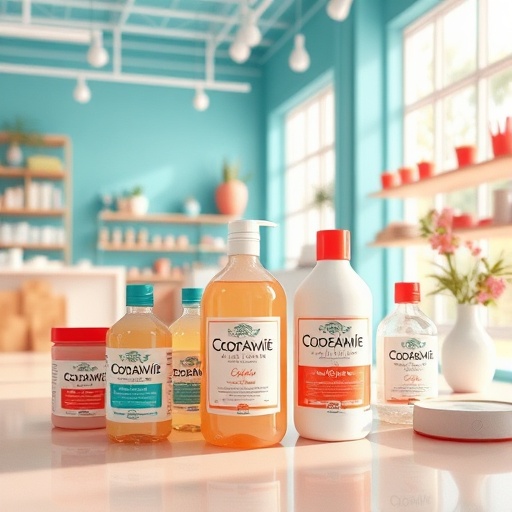
Beverage and food packaging labels prioritize functionality and allure to capture attention in refrigerated aisles. Waterproof materials withstand condensation, while vibrant graphics highlight flavors and origins. Regulations mandate nutritional info and allergen disclosures, integrated seamlessly into designs. Companies use shrink sleeves for 360-degree branding on bottles, enhancing visual impact from tray to shelf. Flexible packaging solutions accommodate irregular shapes, like pouches for snacks. Manufacturing focuses on food-safe inks to prevent migration. Consumer expectations drive innovations, such as recyclable laminates for eco-friendly brands. Pressure from competition pushes creative art in labeling and package solutions. Logistics ensure labels endure stacking in warehousing. For beverages, resealable labels add convenience; food labels often include QR codes for recipes. These tailored approaches boost sales in crowded markets, aligning packaging design with marketing strategies. Brands like those in craft beer exemplify how bold labels differentiate products, fostering loyalty among discerning shoppers.
Beauty and Personal Care Product Labels
Beauty and personal care product labels blend sophistication with practicality, using premium finishes like foil stamping for a luxurious feel. Designs emphasize ingredient lists and claims, meeting strict cosmetic regulations. Consumers seek cruelty-free icons and natural certifications, prominently featured on jars and tubes. Flexible packaging allows slim profiles for travel-sized items, with labels that peel cleanly for recycling. Manufacturing incorporates UV-resistant coatings to protect against shelf lighting. Art and graphics evoke spa-like serenity, aiding branding in competitive beauty aisles. Pressure to innovate leads to scented labels or embedded tech for authenticity checks. Labeling and package solutions here focus on tamper-proofing for safety. Warehousing maintains humidity control to preserve adhesive quality. From initial tray packing to retail displays, these labels enhance user experience, encouraging impulse buys. Personal care brands leverage minimalist designs for clean beauty trends, integrating marketing messages that resonate with wellness-focused consumers.
Healthcare Labeling Requirements
Healthcare labeling requirements enforce rigorous standards to ensure patient safety and traceability. Labels must include lot numbers, expiration dates, and dosage instructions in clear, legible fonts. Compliance with FDA guidelines demands durable materials resistant to chemicals and sterilization. Companies use serialized labels for drug authentication, combating counterfeits in supply chains. Packaging design incorporates braille for accessibility, vital for pharmaceuticals. Manufacturing occurs in cleanrooms to avoid contamination, with digital print enabling variable data. Pressure from regulations drives innovations like smart labels with NFC chips for inventory tracking. Logistics and warehousing prioritize secure, temperature-monitored storage for sensitive items. Branding takes a backseat to functionality, yet subtle graphics maintain trust. Labeling and package solutions in healthcare streamline dispensing, reducing errors in hospitals. From tray to shelf in pharmacies, these labels support efficient distribution. Brands navigate complexities to deliver reliable products, ultimately safeguarding public health through precise packaging and labeling.
Challenges and Innovations in Packaging and Labeling
Managing Pressure in Packaging Design
Managing pressure in packaging design involves balancing aesthetics, functionality, and cost under tight timelines. Designers face demands for lightweight materials that reduce shipping weights without sacrificing durability. Consumer feedback highlights needs for easy-open features, challenging traditional rigid structures. Innovations like pressure-compensating laminates absorb impacts during logistics, protecting labels from tray to shelf. Brands in food and beverage sectors adapt to volatile raw material prices by exploring alternatives. Digital tools simulate stress tests, minimizing prototypes. Marketing pressures require eye-catching graphics that perform across print methods. Flexible packaging solutions alleviate space constraints in warehousing. Companies collaborate with suppliers to integrate sustainable options, easing environmental pressures. Labeling and package solutions evolve through iterative testing, ensuring resilience. For personal care products, designs withstand humid conditions. This proactive management turns challenges into opportunities, enhancing overall product integrity and brand reputation in competitive markets.
Flexible Packaging Solutions for Modern Brands
Flexible packaging solutions empower modern brands with versatile options that conform to product shapes and sizes. Pouches and films replace rigid boxes, cutting material use and enabling compact warehousing. Labels integrate directly via in-mold processes, creating seamless, durable finishes. Consumers appreciate the portability for on-the-go items like snacks or cosmetics. Manufacturing scales efficiently, supporting small-batch runs for niche brands. Innovations in barrier laminates extend shelf life for food and healthcare products. Pressure from e-commerce demands shippable designs that arrive intact. Branding shines through custom graphics, boosting marketing appeal. Logistics benefit from lighter loads, reducing carbon footprints. Labeling and package solutions here prioritize recyclability, aligning with sustainability goals. Beauty brands use stand-up pouches with spouts for elegance and function. These solutions adapt to trends, helping companies stand out while streamlining operations from design to delivery.
Digital Print Technologies and Their Impact
Digital print technologies revolutionize labeling by offering speed and customization without plates. Brands produce short runs for seasonal promotions, ideal for consumer goods testing. High-resolution outputs ensure crisp graphics and art on various substrates. Impact extends to packaging design, enabling personalization like names on beauty products. Manufacturing cuts setup times, boosting efficiency in high-mix environments. Pressure for quick turnarounds meets with on-demand printing, reducing inventory needs. Logistics improve as labels ship flat, easing warehousing. Innovations include variable data for targeted marketing, such as localized languages. Food and beverage labels benefit from vibrant colors that pop on shelves. Labeling and package solutions gain flexibility, supporting agile brands. Healthcare adopts it for precise batch coding. Overall, digital print democratizes quality, empowering smaller companies to compete with established players through innovative packaging and labeling.
Future Trends in Labeling and Packaging Solutions

Sustainability in Labeling Practices
Sustainability in labeling practices gains momentum as consumers demand eco-responsible options. Brands shift to plant-based adhesives and recycled papers, reducing landfill waste. Innovations like water-soluble labels dissolve after use, simplifying recycling for beverage bottles. Packaging design incorporates mono-materials for easier processing in food sectors. Companies track carbon footprints from manufacturing to warehousing, optimizing logistics for lower emissions. Pressure from regulations pushes zero-waste goals, with certifications like FSC boosting credibility. Graphics highlight green claims, enhancing branding without greenwashing. Flexible packaging minimizes excess, ideal for personal care products. Labeling and package solutions evolve toward circular economies, where labels become part of reusable systems. Healthcare explores biodegradable alternatives without compromising sterility. Future practices integrate life-cycle assessments, ensuring every stage—from tray to shelf—aligns with planetary health. Brands leading here not only comply but inspire, driving market leadership through thoughtful, sustainable innovations.
The Impact of Graphics and Art on Consumer Goods
Graphics and art profoundly impact consumer goods by evoking emotions and guiding choices. Striking visuals on product labels create instant connections, turning shelves into galleries. Designers blend cultural motifs with modern minimalism, tailoring to demographics in beauty and food lines. High-impact art boosts perceived value, justifying premium pricing for brands. Digital tools allow iterative refinements, ensuring art aligns with marketing narratives. Pressure to differentiate intensifies in crowded markets, where unique graphics drive 70% of purchase decisions. Packaging and labeling integrate AR elements, letting consumers interact via apps. Manufacturing advances support metallic and textured effects for tactile appeal. Logistics preserve print quality through protective trays. For consumer goods like personal care, art conveys purity or adventure. Labeling solutions leverage this to foster loyalty, as memorable designs linger in minds. Future trends emphasize inclusive art, reflecting diverse audiences and enhancing global branding strategies.
Emerging Technologies in Labeling and Packaging
Emerging technologies in labeling and packaging unlock efficiencies and interactivity for forward-looking brands. Blockchain integration verifies authenticity on labels, crucial for healthcare and luxury goods. AI-driven design tools predict consumer preferences, streamlining conceptualization. Nanotech coatings add antimicrobial properties to food packaging, extending freshness. 3D printing prototypes labels rapidly, cutting development time. Pressure sensors in flexible packaging monitor integrity during logistics, alerting to damages. Companies adopt IoT for real-time warehousing data, optimizing distribution. Graphics evolve with e-ink displays that update info dynamically. Labeling and package solutions incorporate biometrics for secure access in pharmaceuticals. Sustainability tech like mycelium-based materials redefines substrates. From tray automation to shelf-ready smart tags, these innovations transform operations. Brands in beverage and beauty harness them for personalized experiences, elevating marketing. As adoption grows, they promise a connected ecosystem, where packaging communicates seamlessly with consumers and supply chains.