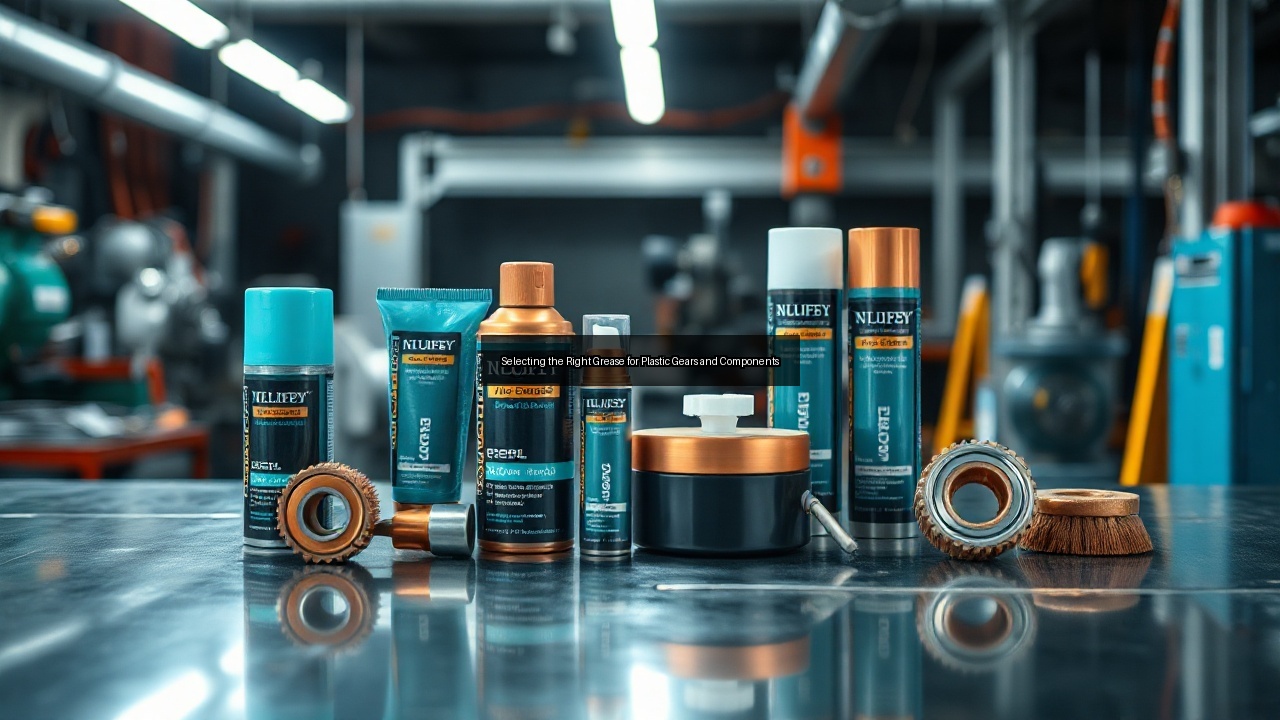
Selecting the Right Grease for Plastic Gears and Components
Understanding the Importance of Lubricant Grease for Plastic Gears
Role of Lubrication in Reducing Friction
Lubricant grease plays a crucial role in reducing friction between moving parts, especially in plastic gears and components. Friction generates heat and wear, leading to premature failure. By applying the right grease, you create a protective barrier that minimizes direct contact between surfaces, allowing for smoother operation. This lubrication not only enhances performance but also prevents the degradation of plastic materials. The right grease lubricant can significantly decrease energy consumption and improve the efficiency of machinery, making it a vital component in any mechanical assembly involving plastic gears.
Impact of Grease on Gear Longevity
Using appropriate lubricant grease directly impacts the longevity of plastic gears. Grease serves as a shield against contaminants such as dust, dirt, and moisture that can infiltrate moving parts. By preventing these substances from causing wear, grease extends the lifespan of gears and components. Moreover, high-quality greases formulated for plastic materials can resist breakdown under varying temperature conditions, ensuring consistent performance over time. This longevity translates to reduced maintenance costs and downtime, making the right grease choice essential for any operation relying on plastic gears.
Choosing Between Grease and Oil for Plastic Components
Deciding between grease and oil for lubricating plastic components requires understanding their distinct properties and applications. Grease typically provides better adhesion to surfaces and remains in place longer than oil, making it ideal for environments where components operate under heavy loads or are exposed to dust and moisture. Conversely, lubricating oil can flow more freely, making it suitable for high-speed applications where rapid distribution is necessary. For plastic gears, grease often proves beneficial due to its ability to withstand pressure and provide a longer-lasting protective layer, ultimately enhancing performance and durability.
Types of Grease Suitable for Plastic Gears
Lithium Grease: Benefits and Applications
Lithium grease is a widely used lubricant due to its excellent performance characteristics. This grease offers superior water resistance and thermal stability, making it suitable for a variety of applications, including plastic gears. Lithium-based lubricants provide good adhesion, preventing them from washing away in wet conditions. In addition, they resist breakdown under high temperatures, which is crucial for maintaining the integrity of plastic components. Users often select lithium grease for applications involving wheel bearings and other machinery where reliability is key. Its versatility makes it a go-to choice in both industrial and agricultural settings.
Silicone Grease Lubricant: When to Use It
Silicone grease lubricant stands out for its exceptional compatibility with plastic materials. This type of grease not only lubricates but also longer component life with the right grease acts as a sealant, providing protection against moisture and corrosion. Users commonly apply silicone grease in environments where temperature fluctuations and exposure to chemicals occur. Its non-reactive nature makes silicone lubricant ideal for food-grade applications, ensuring safety while maintaining performance. Additionally, silicone grease remains stable over a wide temperature range, making it suitable for high-moisture environments such as marine applications. Its versatility and protective qualities make it a popular choice for plastic gears and components.
Specialty Greases for High-Moisture Environments
Specialty greases formulated for high-moisture environments offer specific benefits for plastic gears. These greases contain advanced thickeners and additives designed to repel water and resist washout. They provide reliable protection against rust and corrosion, ensuring that plastic components maintain their functionality even in challenging conditions. Industries that operate in environments with high humidity or direct exposure to water, such as agriculture and marine applications, particularly benefit from these formulations. Selecting the products designed to reduce wear and maintenance right specialty grease enhances the reliability and performance of plastic gears, ultimately leading to longer service intervals and reduced maintenance needs.
Factors to Consider When Selecting Grease for Plastic Components
Temperature Resistance and Performance
Temperature resistance plays a vital role in selecting the appropriate grease for plastic components. Each lubricant grease has specific temperature thresholds where it performs optimally. Exceeding these limits can lead to grease breakdown, resulting in inadequate lubrication and potential failure of gears. It’s essential to assess the operating temperatures of your application and choose a grease that can withstand those conditions. For extreme environments, high-performance options with enhanced thermal stability are available. Proper temperature management ensures that plastic gears function efficiently and last longer, reducing the risk of costly downtime.
Compatibility with Plastic Materials
Compatibility with plastic materials is another crucial consideration when selecting lubricant grease. Not all greases work well with plastics; some can cause degradation or swelling, leading to failure. Understanding the chemical composition of both the grease and the plastic gear is essential. Manufacturers often specify compatible lubricants, ensuring that the chosen grease won’t adversely affect the plastic’s properties. Using incompatible grease can lead to increased wear, decreased efficiency, and ultimately, early equipment failure. Carefully reviewing compatibility will help maintain the integrity of your plastic components.
Protection Against Wear and Rust
Protection against wear and rust is a fundamental quality of any lubricant grease. Effective greases contain additives that prevent wear by forming a protective film on surfaces, reducing friction and minimizing contact. Additionally, rust inhibitors within the grease can safeguard metal components that may come into contact with plastic gears. For applications exposed to the elements, such as outdoor machinery or marine equipment, selecting a grease with robust rust protection is essential. The right lubricant not only enhances performance but also extends the lifespan of both plastic and metal components, contributing to overall operational efficiency.
Application Techniques and Maintenance Tips
Proper Greasing Techniques for Longevity
Implementing proper greasing techniques significantly impacts the longevity of plastic gears. Ensure that you apply the right amount of lubricant grease; too much can lead to excess pressure and bleeding, while too little may fail to provide adequate protection. Use a clean brush or grease gun to apply the lubricant evenly across gear surfaces, ensuring complete coverage. Regularly monitor the condition of the grease, replacing it as necessary, and consider using a grease fitting to simplify maintenance. A well-lubricated gear system operates smoothly and lasts longer, reducing the need for frequent repairs and replacements.
Using Aerosol Grease for Hard-to-Reach Areas
Aerosol grease provides an excellent solution for lubricating hard-to-reach areas. Its fine mist allows for precise application, ensuring that even the most confined spaces receive adequate lubrication. This is particularly useful for intricate machinery or complex assemblies where traditional grease application methods may fall short. When using aerosol grease, maintain a safe distance to avoid over-spray and ensure even application. Regular use of aerosol grease in hard-to-reach areas helps maintain performance and reduces wear and tear on plastic gears, contributing to overall equipment reliability.
Regular Maintenance and Inspection to Extend Gear Life
Regular maintenance and inspection are vital for extending the life of plastic gears. Schedule routine checks to evaluate the condition of both the grease and the components. Look for signs of wear, contamination, or grease breakdown. Implement a maintenance schedule that includes cleaning and re-lubricating gears to ensure optimal performance. Keeping records of maintenance activities helps track the health of the machinery and identify potential issues before they escalate. Consistent attention to maintenance not only enhances the lifespan of plastic gears but also boosts the overall efficiency of the machinery, ensuring smooth operation.